Princeton's IP Accelerator Fund supports innovations with potential for societal impact

Six research-stage technologies with promise to benefit society as future products or services have been selected to receive funding through Princeton University's Intellectual Property Accelerator Fund.

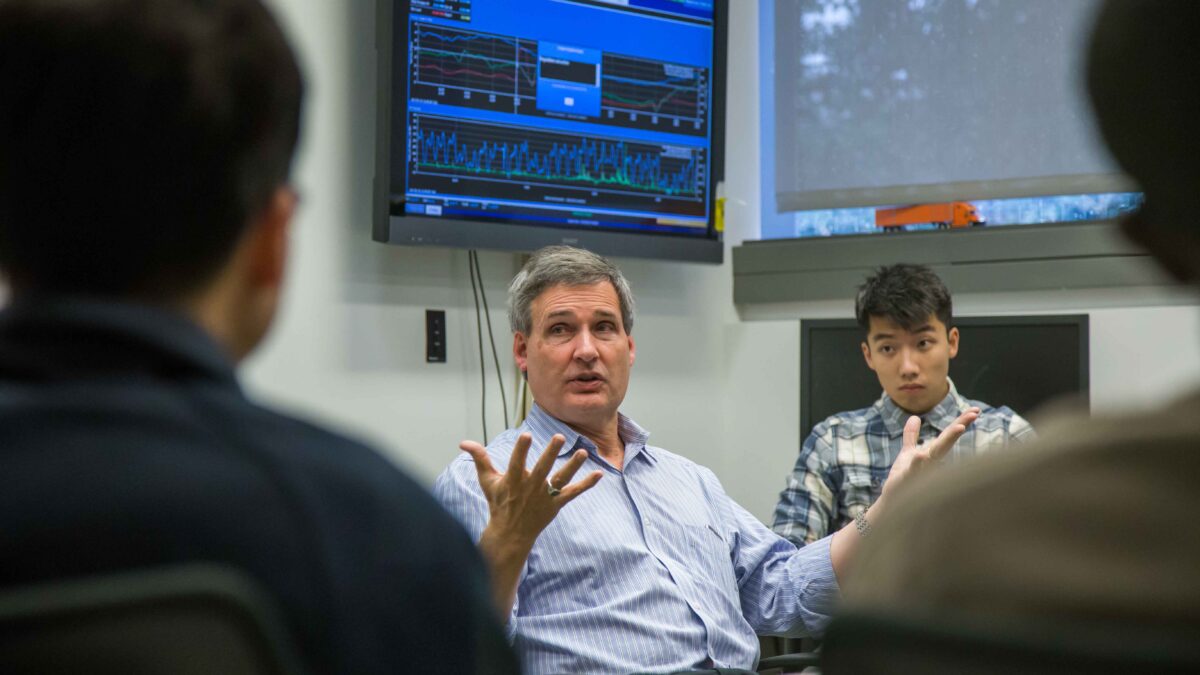
Making better choices, from power to payloads

Mathematical optimization aids many industries.

Freshman seminar asks students to envision their future in a changing climate

For his freshman seminar this year, Robert Socolow is asking his class to think about the future, not just for themselves but for the entire planet.

Effects of climate change demand holistic adaptation response
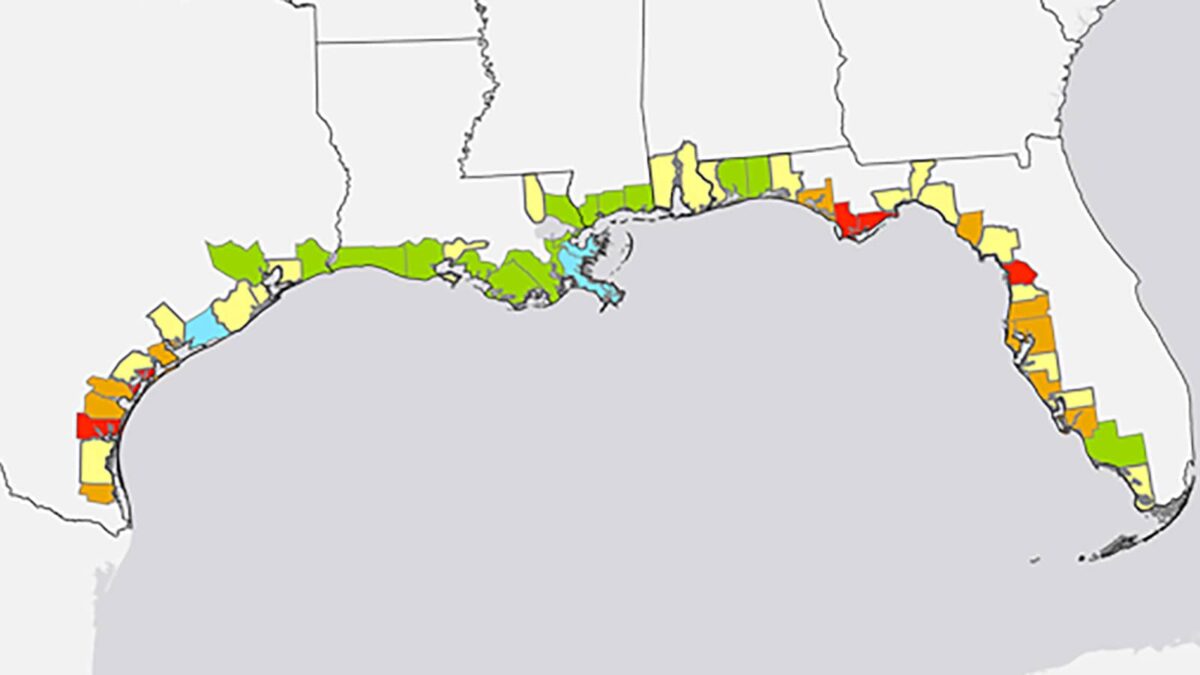
Princeton University hosted a day-long workshop on climate adaptation that drew 37 academics, researchers, architects, economists and industry consultants to the Andlinger Center for Energy and the Environment.

Taking concrete steps to reduce carbon dioxide emissions
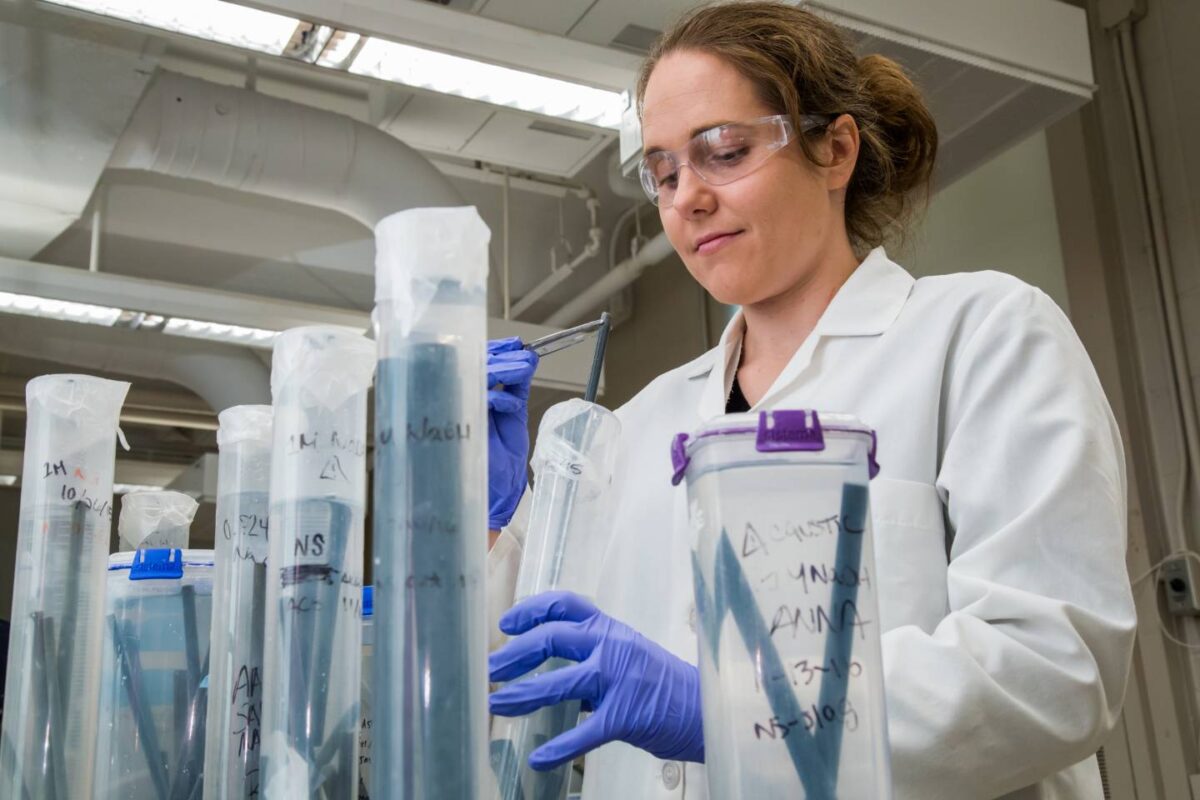
Recent laboratory results at Princeton University indicate that the challenge of making greener concrete may eventually be cracked.

Senior thesis deepens the understanding of an architectural icon in Cuba
Builder José Mosquera's masterwork languishes in a wooded area outside Havana, Cuba, going slowly to ruin and being colonized by trees and vines. But when Princeton University senior Isabella Douglas and a team of students met him on the grounds of Cuba's National School of Ballet last November, Mosquera gave them a rare gift.

Innovations Build Intelligent Cities

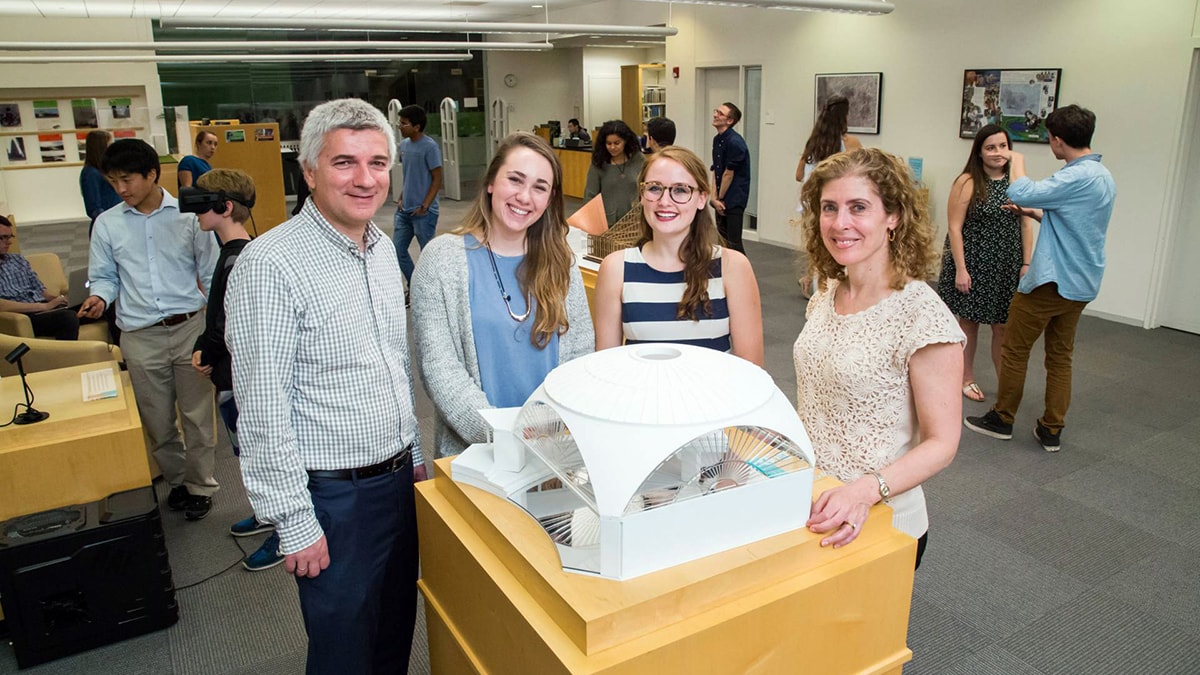
Rather than repeat the sprawling and uncoordinated development patterns of the past, researchers at Princeton's School of Engineering and Applied Science and School of Architecture are exploring new ways to build urban infrastructures to serve our growing population, changing civilization and warming planet.

Experience, gender and politics determine hurricane perception
Despite ample evidence that Atlantic hurricanes are getting stronger, Princeton University-led research found that people's view of future storm threat is based on their hurricane experience, gender and political affiliation. This could affect how policymakers and scientists communicate the increasing deadliness of hurricanes as a result of climate change.

Senior thesis leads to concrete results

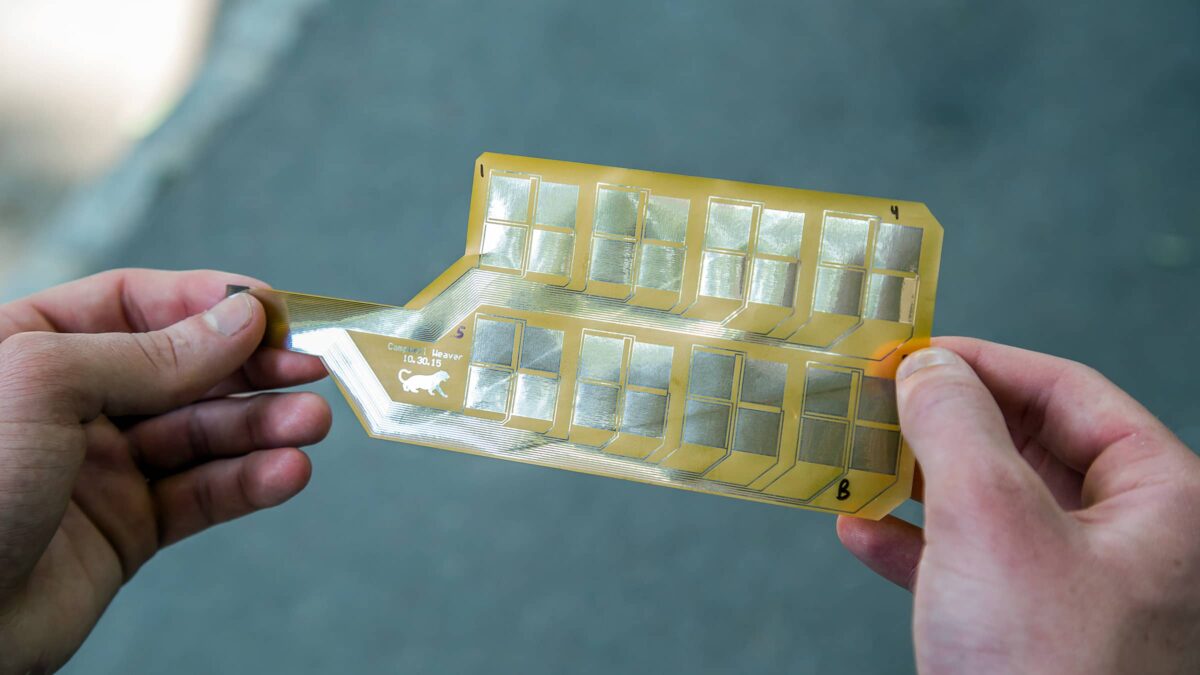
For their senior thesis, two Princeton engineers worked across departments to solve fundamental problems and create a flexible sheet of sensors to detect strains over wide areas of structures such as buildings, bridges and dams.